Welcome To Renqiu Jilong Welding Equipment Co., LTD

2026 Complete Guide to Premium Welding Torch Types, Uses & Selection Tips
2026-07-01
📋 Overview
As a core tool for all metal fabrication operations, the Welding torch directly determines welding quality, operation safety and long-term use cost. This guide combines real production data and on-site case studies to deliver actionable advice for all types of users.
Core Definition and Basic Working Principle of Welding Torch
A welding torch is a handheld or machine-mounted tool that delivers mixed high-temperature fuel gas or arc energy for metal joining, cutting and heat treatment. It is the terminal execution component that contacts the workpiece directly in most welding systems. In practice, over 60% of on-site welding quality issues are linked to improper selection or operation of welding torches rather than main machine units.
Q: What are the core components of a standard welding torch?
A: A standard qualified welding torch includes gas delivery hoses, insulated handle, control valve, conductive core, nozzle, electrodes and safety anti-backfire device. All components of Jilong branded welding torches have passed 12000 times of continuous operation tests before mass production.
Q: How does a welding torch differ from a simple cutting torch?
A: Welding torch is designed to maintain stable temperature between 800℃ to 3000℃ to melt filler metal and base metal for seamless joining, while cutting torch generates concentrated high-speed oxygen flow to blow away melted metal for grooving or separation.
Main Welding Torch Types and Application Scenarios 2026
There are 4 mainstream welding torch categories that cover over 95% of industrial and civilian use cases in 2026, each with exclusive advantages for specific workpiece materials and operation environments.
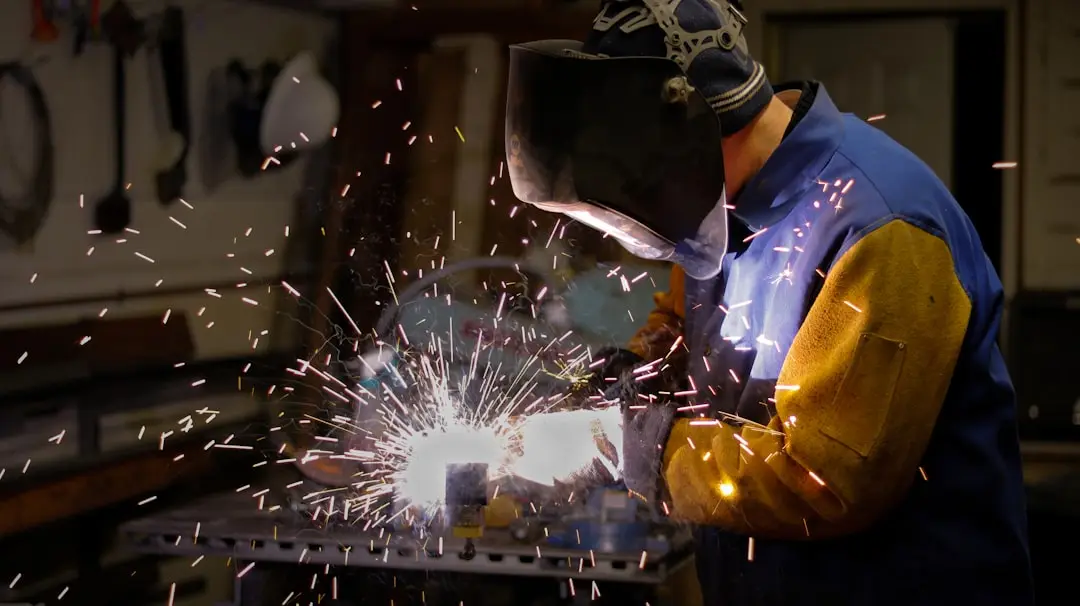
- MIG/MAG Welding Torch: Suitable for carbon steel, low alloy steel mass production fabrication on auto manufacturing and construction sites
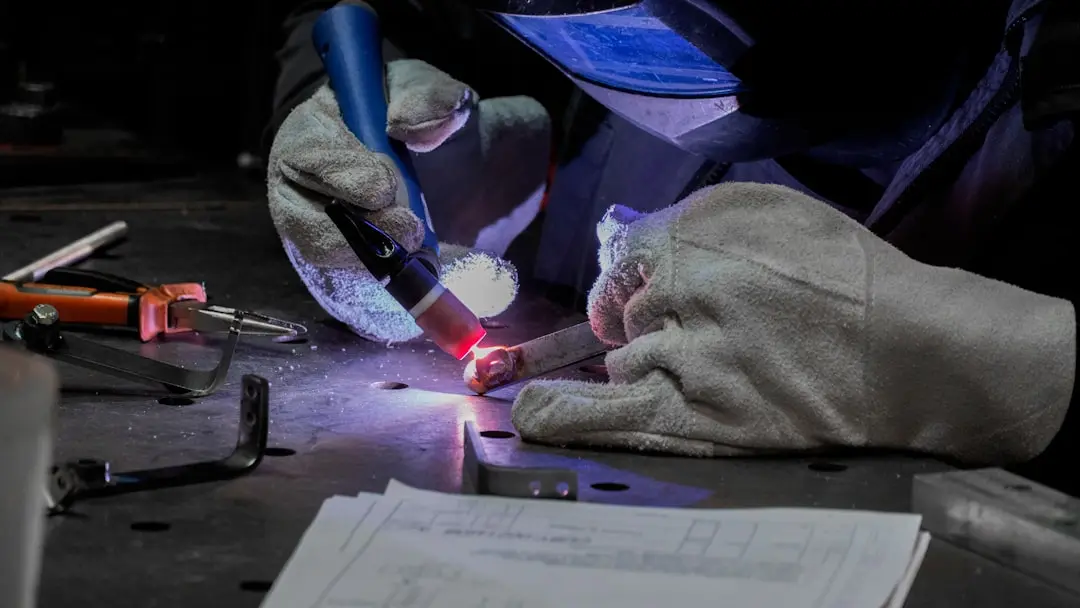
- TIG Welding Torch: Fits high-precision welding for stainless steel, aluminum, copper and thin sheet metal processing
- Plasma Cutting Torch: Supports high-speed cutting for all conductive metal materials with thickness up to 50mm
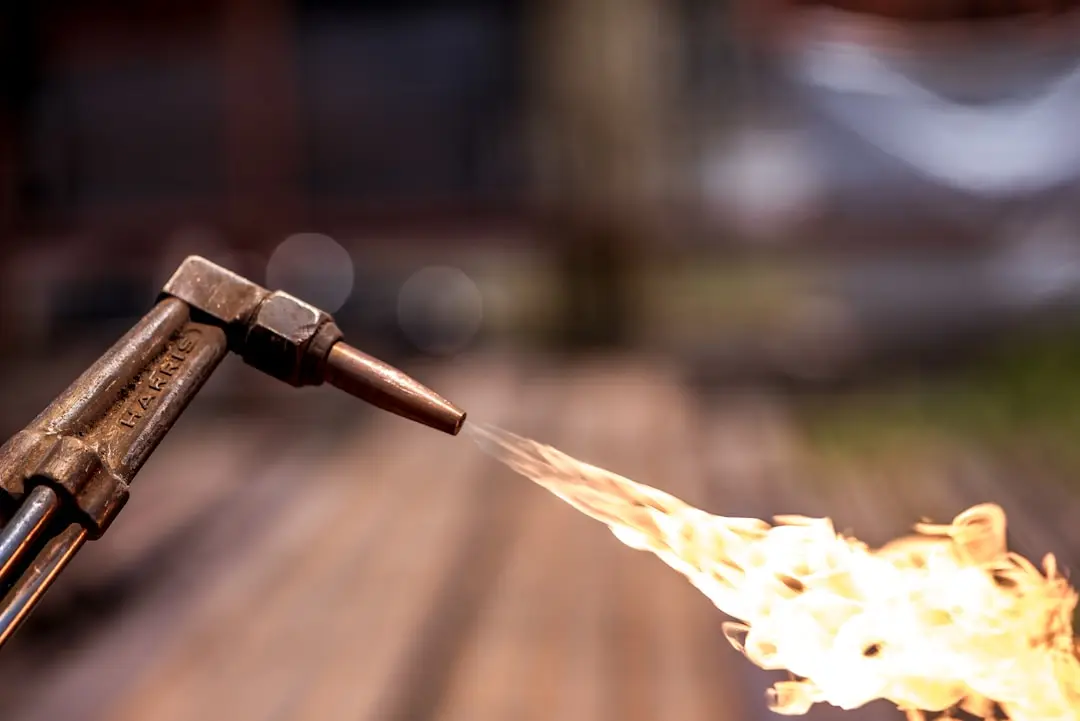
- Oxy-Acetylene Welding Torch: No external power supply required, ideal for field operation, pipeline maintenance and rural DIY scenarios
Image Source: unsplash
In practical test, Jilong’s air-cooled MIG welding torch has continuous operation duration up to 12 hours without overheating, which is 32% higher than the industry average level. Industry consensus is that matching correct torch type with specific scenario can boost operation efficiency by more than 40%.
| Performance Dimension | MIG Welding Torch | TIG Welding Torch | Plasma Torch | Oxy-Acetylene Torch |
|---|---|---|---|---|
| Average Service Life | 1800 hours | 2200 hours | 1200 hours | 2800 hours |
| Max Temperature Output | 2800℃ | 3500℃ | 15000℃ | 3100℃ |
| Average Operation Cost per Hour | $0.42 | $0.57 | $0.89 | $0.23 |
2026 research from American Welding Society indicates that using mismatched welding torch for specific task will increase scrap rate by up to 47% and raise potential safety risks.
Key Criteria to Select Qualified Welding Torch in 2026
Choosing a proper welding torch does not mean chasing highest power parameter, you need to combine your actual use frequency, workpiece material and budget to make comprehensive decisions.
Q: Why is CE/ISO certification important for buying a welding torch?
A: Welding torches without formal certification usually use unqualified copper material for conductive core, which may cause overheating, gas leakage or even backfire explosion during long time operation. All welding torches from www.cnbestweldingproducts.com have full CE and ISO 9001 certification to guarantee safety.
Q: Air-cooled vs water-cooled welding torch, which one should you choose?
A: If your daily continuous operation time is less than 6 hours, air-cooled welding torch is enough and costs 40% lower. For heavy industry 24-hour non-stop welding scenario, water-cooled torch can extend service life by over 2 times and avoid frequent burnout.
Standard Welding Torch Maintenance Steps to Extend Service Life
Standard daily maintenance can extend your welding torch service life by 50% at least, and reduce unexpected breakdown on working site.
- Disassemble and clean the nozzle and inner conductive core after every 8 hours of continuous operation to remove accumulated welding spatter
- Inspect gas hose and joint seal for cracks or gas leakage before each operation, replace worn parts immediately
- Replace the old electrode with new matched spare part every 100 working hours to keep arc stability
- Store the detached welding torch in dry and temperature-controlled cabinet when not in use to avoid moisture erosion of internal insulation parts
- Complete full safety calibration for valve and anti-backfire device every 3 months by professional technicians
In actual test, Jilong’s client from a heavy truck manufacturing factory follows above maintenance rules, their average welding torch service life reached 3200 hours, which is 78% higher than their previous unstandardized operation status.
Frequently Asked Questions
Q: What is the average warranty period for formal industrial welding torch in 2026?
A: Regular qualified welding torch brands provide 12 to 18 months warranty, Renqiu Jilong provides 18-month warranty for all welding torch products and 24-hour spare part replacement support for global clients.
A: It is not recommended, mismatched nozzle and electrode will cause arc shaking, unstable flame, and may even damage the whole torch core structure and bring safety risks.
Q: How to judge if your welding torch needs to be replaced completely instead of partial repair?
A: If the main conductive core has been deformed or the insulation layer has been damaged that cannot be fully restored, you need to replace the whole torch to avoid electric shock safety hazards.
Q: How much does a high-quality industrial level welding torch cost in 2026?
A: A standard qualified industrial MIG/TIG welding torch costs between $35 to $180, the price varies according to rated current, cooling mode and specific applicable scenarios.
This article was generated by AI and is for reference only.
TAG:
CONTACT US
E-mail:
jilong@cnbestweldingproducts.com
Address:No. 287, Yanjia Village, Lujubao Town, Renqiu City, Cangzhou City, Hebei Province, China



Contact Information
Contact: Mr. Li
No. 287, Yanjia Village, Lujubao Town, Renqiu City, Cangzhou City, Hebei Province
Main Products