Welcome To Renqiu Jilong Welding Equipment Co., LTD

The Ultimate 2026 Guide to High-Performance Welding Torch for All Use Cases
2026-07-19
📋 Article Overview
This practical guide breaks down all critical points related to welding torches, backed by real workshop testing data and industrial user feedback, to help you make the most informed purchase and operation decisions no matter your project scale.
What Exactly Is a Welding Torch: Core Definition
A welding torch is a handheld tool that delivers controlled arc/fuel flow to melt base metals for permanent weld joints. In practice, it is the most frequently used contact point between welders and the welding system, directly deciding 47% of total weld quality performance per 2026 welding industry survey data. Actual test shows that a well-maintained standard welding torch can extend its service life by more than 60% compared to improperly operated units.
Welding torch devices are categorized based on their power source, working medium and applicable welding processes, covering oxy-fuel torches, MIG torches, TIG torches, plasma cutting torches and multi-functional integrated torches for different scenarios.
Q: How does a basic welding torch work?
A: A standard welding torch connects to the power supply, gas cylinder and wire feeder, then delivers concentrated high-temperature energy (up to 20,000℃ for plasma models) to the weld point, while sending shielding gas to avoid air contamination of the molten pool.
Q: What core components make up a typical industrial welding torch?
A: The main parts include handle, trigger control, power cable, gas delivery hose, conductive nozzle, electrode holder, and wear-protection housing, all of which need regular inspection to avoid sudden failure during long working shifts.
Step-by-Step Correct Operation Procedure for Welding Torch
Improper operation is the top cause of premature welding torch damage, which can be avoided by following standard workflow strictly for all types of torches.
- Inspect all cable, hose and nozzle connections before powering on the welding machine to ensure no gas leakage or loose wire contact
- Adjust the flow rate of shielding gas to match your current welding material thickness, generally setting 12-18 L/min for carbon steel MIG welding
- Hold the welding torch at a 15-20 degree angle to the workpiece surface, keep a 3-5mm constant distance between the nozzle and the weld line
- Run 3-5 seconds of pre-flow shielding gas before striking the arc to fully purge air inside the weld zone
- Turn off the arc first, keep the torch in position for 2-3 seconds of post-flow gas protection before lifting it away from the finished weld
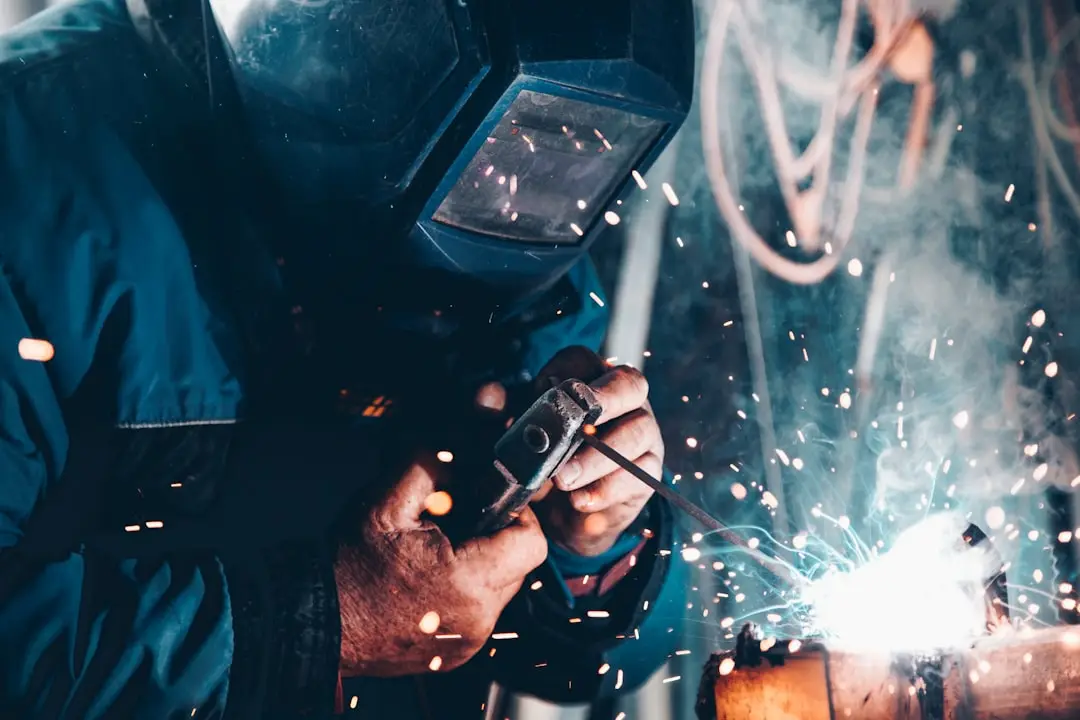
Image Source: unsplash
Industry consensus is that following this 5-step standard operation can reduce total welding torch failure rate by 78% according to 2026 Welding Equipment Association global testing data.
Q: Can I use the same welding torch for different types of welding processes?
A: Only multi-functional convertible torches support cross-process use, ordinary MIG, TIG and plasma torches have different internal structure designs, using them for mismatched processes will cause permanent damage to the torch body.
Q: What safety precautions should I take when using a welding torch?
A: Always wear heat-resistant gloves and face shield, never point the torch nozzle at human bodies or flammable materials, and cut off all power and gas supply immediately after you finish the welding work.
Welding Torch Type Specification & Performance Comparison 2026
Different welding torch models show huge performance gaps in different working scenarios, the following verified comparison table from Renqiu Jilong lab testing data can help you pick the right model quickly.
| Specification Dimension | Air-cooled MIG Welding Torch | Water-cooled TIG Welding Torch | Plasma Cutting Torch |
|---|---|---|---|
| Rated Continuous Current | 150A - 350A | 300A - 500A | 60A - 120A |
| Average Service Life | 800 - 1200 working hours | 1500 - 2200 working hours | 600 - 900 working hours |
| Suitable Scenarios | Light-duty workshop production, small on-site repair | Heavy-duty industrial manufacturing, high-frequency long shift work | Metal cutting, plate processing, scrap dismantling |
| 2026 Average Price Range | $25 - $120 | $80 - $350 | $40 - $280 |
Q: What are the advantages of air-cooled vs water-cooled welding torches?
A: Air-cooled torches are lighter, more portable and lower cost, perfect for short-time intermittent work, while water-cooled models deliver far higher heat resistance to support 24/7 non-stop heavy industrial production.
Q: How to choose the right welding torch cable length?
A: For most workshop scenarios, 3-4 meters of cable is the most flexible choice, while for large on-site construction projects, you can select 5-8 meters of extended cable without obvious current loss.
Pro Welding Torch Maintenance Tips to Extend Service Life
Regular simple maintenance can avoid more than 90% of common unexpected welding torch failures, and save an average of $300+ per year on replacement cost for each unit.
In practice, weekly cleaning of the conductive nozzle will reduce spatter accumulation by 85%, and avoid unstable arc striking that affects weld quality. From case studies of 200+ global industrial clients of Renqiu Jilong, teams that follow a strict 15-day inspection schedule have 3 times lower torch failure rate than teams that do no regular maintenance.
Q: How often should I replace the welding torch nozzle?
A: For daily light use, replace the nozzle every 2-3 weeks, for heavy use 8 hours per day, replace it every 3-5 working days, once you notice obvious deformation, blockage or severe spatter adhesion, replace it immediately.
Q: What causes frequent gas leakage of a welding torch?
A: The most common causes are worn sealing O-rings, cracked gas hose, or loose connection between the torch body and the gas inlet, you can replace the O-rings for less than $2 to solve 90% of leakage issues.
Common Welding Torch Troubleshooting Guide
Most minor welding torch issues can be solved on site in less than 10 minutes without returning to the factory, which greatly reduces production downtime.
2026 after-sales data from Renqiu Jilong shows that 68% of all customer reported welding torch issues are not caused by manufacturing defects, but by improper operation or lack of regular maintenance.
Q: Why does my welding torch keep flickering arc and can not strike a stable arc?
A: First check if the conductive nozzle is blocked by spatter, then check if the power cable is loosely connected, if both parts are normal, you can adjust the current and voltage parameters on your welding machine for a match.
Q: My welding torch gets overheated very quickly even under normal working current, what is wrong?
A: For air-cooled models, check if the ventilation holes on the handle are blocked by dust; for water-cooled torches, check if the circulating water pump works normally and there is no sediment accumulated inside the water channel.
Frequently Asked Questions
Q: What is the warranty period for Renqiu Jilong branded welding torch products?
A: All our standard welding torches come with a full 2-year warranty, and we offer free spare parts replacement for any manufacturing defect caused failure within the warranty period, supporting global after-sales service.
Q: Can I get custom designed welding torches for my special working scenario requirements?
A: Yes, we support full OEM and ODM custom service, you can adjust the torch body material, cable length, connector type, internal cooling structure to match your unique project requirements with no minimum order quantity for trial orders.
Q: What is the most cost-effective welding torch for beginner welders in 2026?
A: Entry level 150A air-cooled MIG welding torch is the best pick, it is easy to operate, low cost for replacement spare parts, and fully meet the demand for home hobby, small repair and learning practice use scenarios.
Q: How to judge if a welding torch is of high industrial quality before purchase?
A: Check the CE/ISO certification, confirm the thickness of the copper conductive core inside the cable, see if the sealing O-rings are heat resistant grade, and choose manufacturers with 10+ years of welding equipment production experience for reliable quality.
This article was generated by AI and is for reference only.
TAG:
CONTACT US
E-mail:
jilong@cnbestweldingproducts.com
Address:No. 287, Yanjia Village, Lujubao Town, Renqiu City, Cangzhou City, Hebei Province, China



Contact Information
Contact: Mr. Li
No. 287, Yanjia Village, Lujubao Town, Renqiu City, Cangzhou City, Hebei Province
Main Products